Skip to main content

If a Car Makes a Left Turn, Who Is Considered At-Fault if There Is an Accident in California?
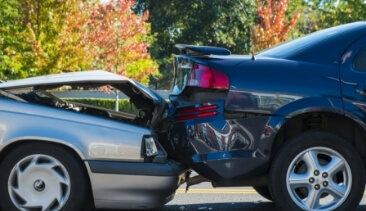
Most California drivers assume that if they get into an accident, the driver attempting to execute a left-hand turn always bears the blame. In many cases, this may be true, but there are exceptions in play in every incident. Left-hand turn crashes are difficult to investigate, and determining liability can also be challenging, especially without guidance from an experienced left turn accident lawyer who understands how California traffic laws are applied in real-world cases.
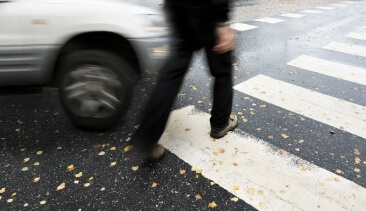
You must wait for all oncoming traffic to pass you, and/or any other vehicles heading in your direction must be far enough away for you to complete your left-hand turn. You must also yield the right-of-way to pedestrians and bicyclists crossing the street.
If the intersection does not have a designated arrow or does not have a traffic light, the same rules of the road apply – yield to all oncoming traffic and pedestrians, and turn only when it is safe.
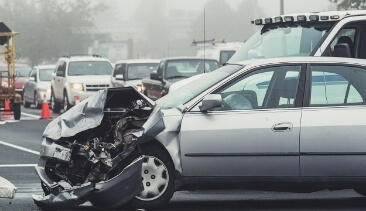
Left-hand turn accidents can be serious and fatal. Contact our personal injury lawyers in Carlsbad and San Diego for a free consultation if you have questions about your rights, including issues such as a shoulder injury settlement without surgery or if you need guidance from a catastrophic injury lawyer after a severe crash.
Insurance companies automatically assume that because drivers attempting a left-hand turn rarely have the right of way, the driver trying to turn is at fault. This may not always be the case.
There are exceptions to the left-hand turn rule, and if one of the following exceptions applies in your case, you may only be deemed partially liable for the crash or not liable at all:
- You were certain you could execute the turn safely before the oncoming vehicle reached the intersection. However, the other driver was speeding and crashed into your vehicle.
- It was clear to go, but the oncoming car did not stop at a stop sign or stop for a red light. By not obeying traffic signs, the other driver caused your accident.
- The other motorist was driving under the influence of drugs or alcohol, driving distracted, driving while suspended or driving with a revoked license. Any of these findings could mean the other driver is partially at fault for the accident.
- You entered the intersection because it was clear and safe, but you suddenly had to stop or swerve to avoid something, resulting in an accident.
- The other driver did not yield when you had a green turn signal.
It is important to remember that California is a comparative liability state. That means finding fault for a crash may be proportional according to the deemed liability of each driver.