 Skip to main content

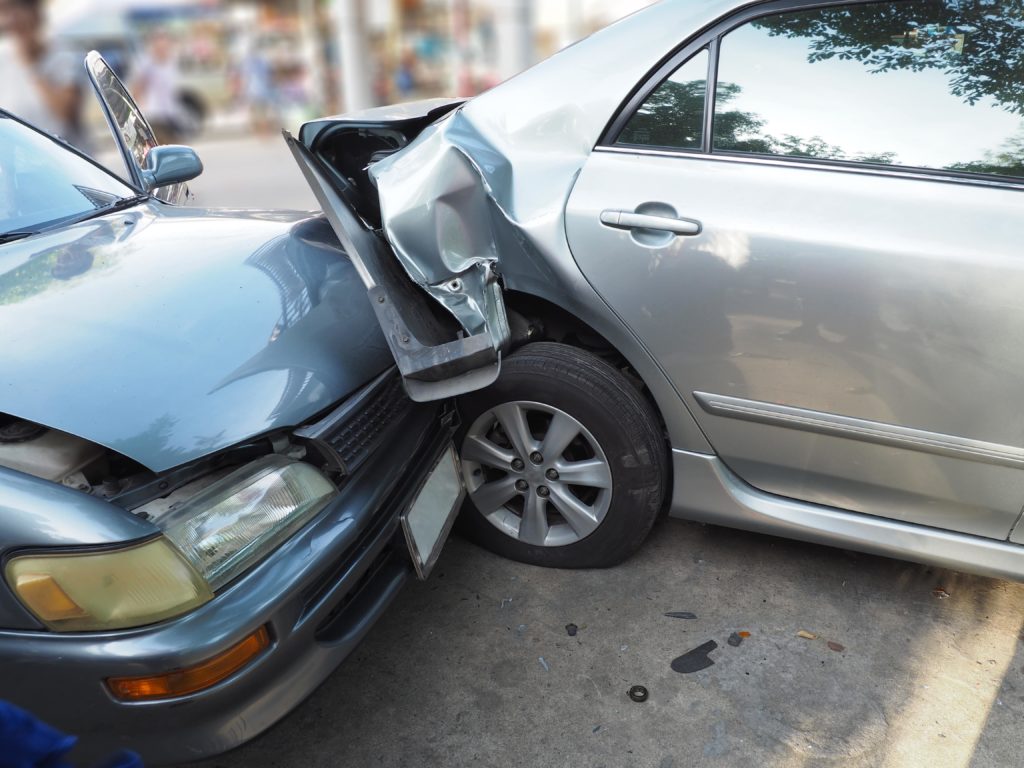
Have You Been Involved in a Serious Car Accident That Was Responded to by the California Highway Patrol (CHP)?
If so, we recommend that you request a copy of your traffic collision report.
In addition to staggeringly high medical bills, car accident victims are forced to deal with lost wages and property damage sustained from the crash.
But there is a way out.
The police accident report has vital information that will support your case and help you obtain the highest compensation for your suffering.
For drivers who are still navigating post-accident obligations, it is also important to understand the broader reporting process outlined in our guide on how to report an accident in California, especially when dealing with both DMV and law enforcement requirements.
In this article, our experienced California auto accident lawyers explain the different ways you can obtain a copy of your California Highway Patrol accident report.
How to Get a California Highway Patrol Police Accident Report Online
You can request a copy of a California Highway Patrol (CHP) accident report online through the CHP Crash Portal if you were involved in the collision or are otherwise authorized to receive it.
1. Gather the required information
Before starting your request, have the following ready:
- Date of the accident: If you do not know the exact date, provide your best estimate or approximate timeframe.
- Location (highway, cross streets, or nearest landmark): Provide as much detail as possible about where the crash occurred.
- Names of involved drivers (if known): List the name of the driver involved in the collision or the registered owner of the vehicle. If only your property was damaged and no vehicle driver applies, enter your name and address instead.
- Vehicle license plate numbers (if available)
- CHP report or incident number (if you have it)
2. Visit the CHP Crash Portal
Go to the official CHP Crash Portal and select the option to request a collision report.
3. Complete the online request form
Fill out the form with:
- Your personal information (name, address, contact details): Print your full name in the designated box. Then provide your complete mailing address, including street number and name, city, state, and ZIP code. This is where the report will be sent once it is processed.
- Details about the crash
- Your role in the accident (driver, passenger, owner, insurance, etc.)
Make sure all information is accurate so CHP can locate the correct report.
4. Verify your eligibility
CHP will confirm you are a “party of interest” (such as a driver, vehicle owner, or insurance representative) before releasing the report. You must check only one box that best describes your relationship to the incident. If you are unsure whether you qualify, contact the CHP Area Office before submitting your request, as only parties with a legal right to the report can receive it.
5. Pay the required fee
Once the report is located, you will be notified of the reproduction cost. Fees are based on report length and typically follow a tiered structure.
6. Receive your report
After processing is complete, reports requested through the CHP Crash Portal are typically made available for digital download directly through your account. In some cases, depending on the handling office or report type, the report may instead be mailed or provided for pickup. Most reports become available within approximately eight (8) working days after the collision has been processed and entered into the system.
How Much Does the CHP Charge for a Collision Report?
The California Highway Patrol (CHP) charges a nominal fee to cover the cost of reproducing collision reports. The exact cost depends on the number of pages in the report.
CHP Collision Report Fees
- $10.00 – 1 to 25 pages
- $20.00 – 26 to 50 pages
- $30.00 – 51 to 75 pages
- $40.00 – 76 to 100 pages
- $10.00 – Over 100 pages (for each additional 25 pages or portion thereof)
Important Payment Information
There is no additional charge for handling or mailing the report. Payment must be submitted by personal check or money order made payable to the California Highway Patrol. If available, you should include the report number on your payment to ensure proper processing. Do not send cash, and please note that credit and debit cards are not accepted for mailed requests.
How to Get a California Highway Patrol Police Accident Report by Mail
To request a California Highway Patrol (CHP) accident report by mail, you must submit a formal written request along with supporting documents and payment. The process is fairly simple, but accuracy is important to avoid delays.
1. Complete the CHP 190 Form
Start by filling out the CHP 190 – Application for Release of Information. This is the official form used to request CHP collision reports.
You’ll need to provide:
- Date and location of the crash
- Names of involved drivers or parties
- Your role in the incident (driver, passenger, owner, etc.)
- Your contact information and signature
2. Include Required Documents
When mailing your request, include:
- A copy of a valid government-issued photo ID
- The completed and signed CHP 190 form
- Payment for the report fee
- Any available case, report, or claim number (optional but helpful)
If you cannot include a copy of your ID, your signature may need to be notarized.
3. Pay the Required Fees
CHP charges a per-report fee, which is typically around $10 to $20 for a basic collision report, though the exact amount can vary depending on the report type and number of pages.
Payment is usually accepted by:
- Check
- Money order
Make sure your payment is made payable to the appropriate “California Highway Patrol” area office handling your request.
4. Mail the Request to the Correct CHP Office
Send your completed packet to the CHP office that investigated the crash. This is the office covering the location where the accident occurred. If you’re unsure which office it is, call CHP and ask for the correct mailing address before sending anything.
5. Wait for Processing
After submission, CHP will process your request and mail the report to you. Mail requests usually take longer than in-person pickup, often several weeks, depending on workload.
CHP accident reports are not released to the general public and are only provided to individuals or organizations that have a direct and legitimate interest in the incident. This includes people involved in the crash, such as drivers and passengers, registered vehicle owners, insurance companies handling a related claim, and authorized legal representatives acting on behalf of an involved party.
How to Get a California Highway Patrol Police Accident Report by Phone
To request a California Highway Patrol (CHP) accident report by phone, start by contacting CHP’s statewide non-emergency line. This is the quickest way to be directed to the correct office that handled your collision and to confirm whether your report is available.
Call 1-800-TELL-CHP (1-800-835-5247). This line is available 24 hours a day, seven days a week. When you call, a CHP dispatcher can help you identify the correct area office based on where the accident occurred, check the status of your report, and explain the steps needed to obtain a copy.
Before calling, make sure you have key details ready, such as the date and location of the crash, the names of involved drivers, and any report or incident number if you were provided one at the scene. Having this information available will help CHP locate your file more quickly.
In most cases, CHP will not release the full accident report over the phone. Instead, they will guide you to the appropriate process, which may include submitting a CHP 190 form, visiting or contacting the local CHP office, or arranging for pickup or mail delivery of the report once it is completed.
Calling CHP is best used as a first step to confirm report availability and get instructions specific to your case, rather than as a direct method for receiving the report itself.
How to Get a California Highway Patrol Police Accident Report in Person
Getting a California Highway Patrol (CHP) collision report in person is a straightforward process, but you need to go through the proper office and meet eligibility requirements.
1. Visit a CHP Area Office
You can walk into any California Highway Patrol Area Office. You do not have to visit the specific office that responded to the crash. Staff there can help you request the report or process your application.
2. Confirm You’re Eligible to Receive the Report
CHP accident reports are only released to “parties of interest,” such as:
- Drivers involved in the collision
- Passengers
- Vehicle owners
- Parents/guardians (if a minor is involved)
- Insurance companies or authorized legal representatives
The office will verify your eligibility before releasing any documents.
3. Complete the Request Form (CHP 190)
You’ll need to fill out a CHP 190 – Application for Release of Information.
Bring as much information as possible, including:
- Date of the accident
- Location of the crash
- Names of drivers (if known)
- Your contact details
If you don’t have the form in advance, you can complete it at the office.
4. Bring Valid Identification
A government-issued photo ID (like a driver’s license or passport) is usually required.
If you cannot provide ID, you may still be able to request the report with a notarized signature, depending on the situation.
5. Pay the Required Fee
There is typically a small fee (often around $10–$40, depending on report length). Payment is usually accepted as cash or check, though accepted methods can vary by office.
6. Receive or Wait for the Report
- If the report is ready and available, you may receive it immediately in person
- If it is not yet finalized, your request will be processed, and the report will be mailed or made available later
Reports may not be immediately available if the investigating officer has not completed or approved the final version yet. In that case, processing time can vary.
Contact a California Car Accident Lawyer
Getting into a car accident can be scary, but a skilled San Diego auto accident attorney can help you navigate through this difficult time. With over 40 combined years of experience and nearly $50 million recovered for our clients, we can help you get the compensation you deserve.
Call Levinson Law today at (760) 827-1700 or send us an online message to schedule a free case consultation.
*This article and website should not be considered as legal advice. Cost of fees (etc) presented in this article is subject to change without notice. Contact the relevant entity for updated pricing.